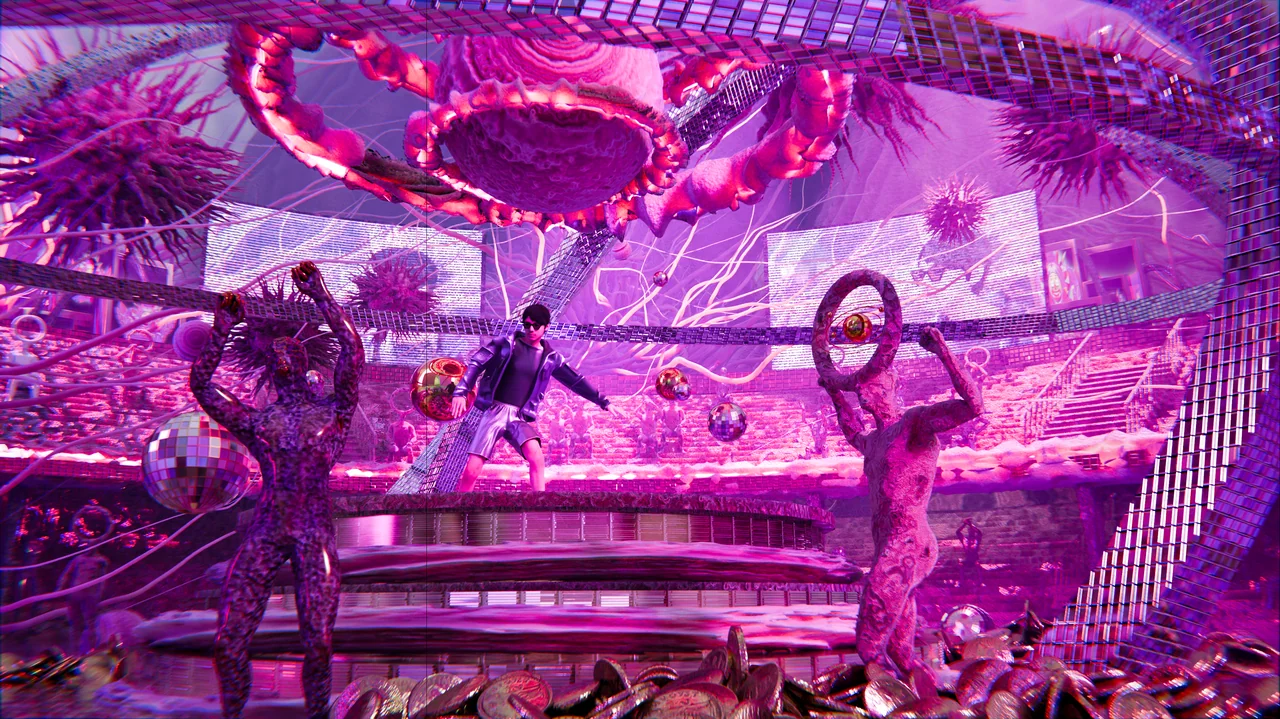
The Big Bang Stigma
Read case studyTranslating research on illness stigma into an interactive journey through identity, recruitment, and livestream performance.
Music video / Commercial collaboration
From music narrative to an extended game world
OVERVIEW
Deng Zexi’s official music video follows an office worker into a fantasy game world, where she becomes a mushroom witch. I contributed the early concept, environments, and storyboards, and designed gameplay and visual assets for a promotional mini-game.
Watch the full MV on Bilibili (new tab)Entering a game connects office life with a fantasy world, allowing the music’s attitude to emerge through characters, spaces, and events. References to classical paintings inform composition and mood.
Entry, exploration, confrontation, and return organise the film as a connected journey.
Build a consistent language across painting references, digital artwork, and environments.
Let audiences encounter the video’s characters and world through a mini-game.
The story moves from a distorted office into a new world, forest exploration, and conflict with its rules, followed by the witch’s awakening, rebuttal, control, and return. Storyboards translate these changes into shots and relationships between figures and spaces.
The promotional mini-game carries over the mushroom forest world, with assets including a start screen and character selection. Gameplay and interface visuals extend the film into a participatory setting.
Early digital painting and AI-assisted composition exploration were refined in Photoshop and Procreate to bring different visual sources into one language. I also contributed to grading and visual consistency.
The music video is a collaborative outcome. This case focuses on my concept, storyboard, and mini-game work; full production credits are provided with the published video.
The video has been publicly released, with concepts and assets extending into a mini-game. The available evidence does not attribute audience reach to individual design decisions, so the case demonstrates contributions through tangible outputs.
This work highlights the need to establish visual rules early and maintain them across media. Interfaces and films have different viewing patterns, but can share characters, colour, and narrative cues.
Translating research on illness stigma into an interactive journey through identity, recruitment, and livestream performance.
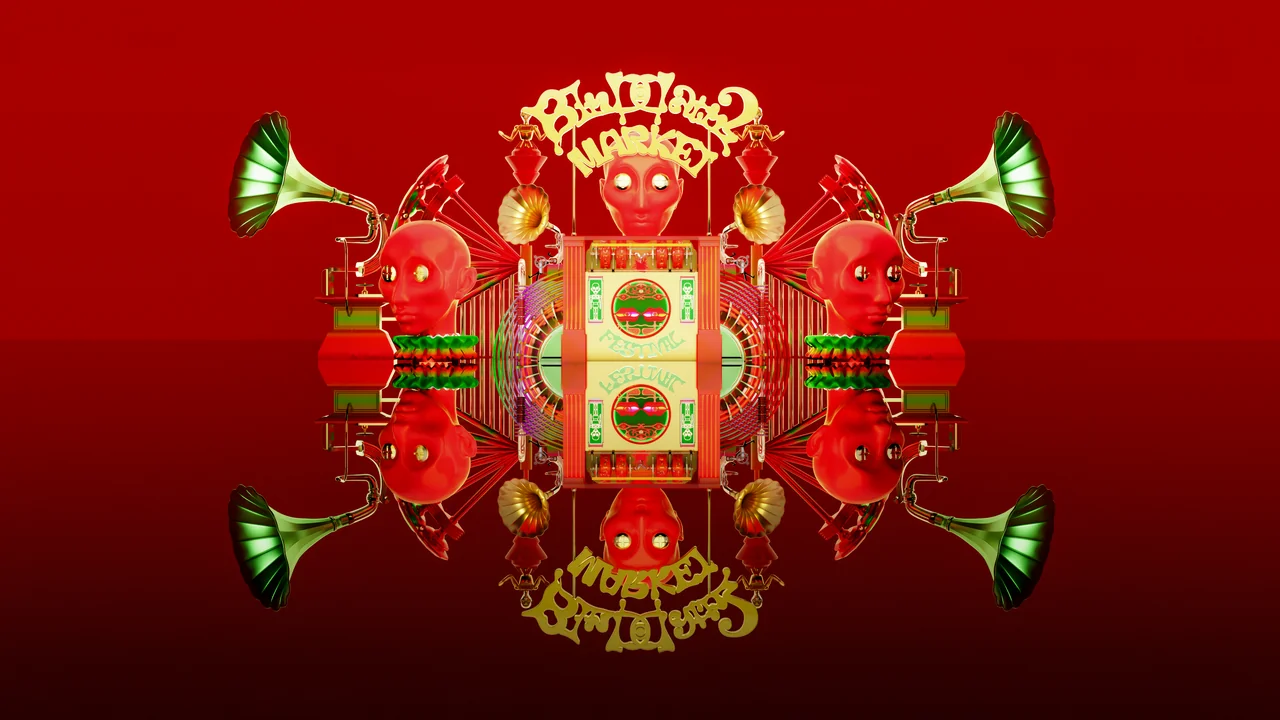
Six connected scenes explore how self-presentation, conditional matching, and social judgement shape intimate relationships.